Why Bar NYC Culture Is Unlike Anywhere Else
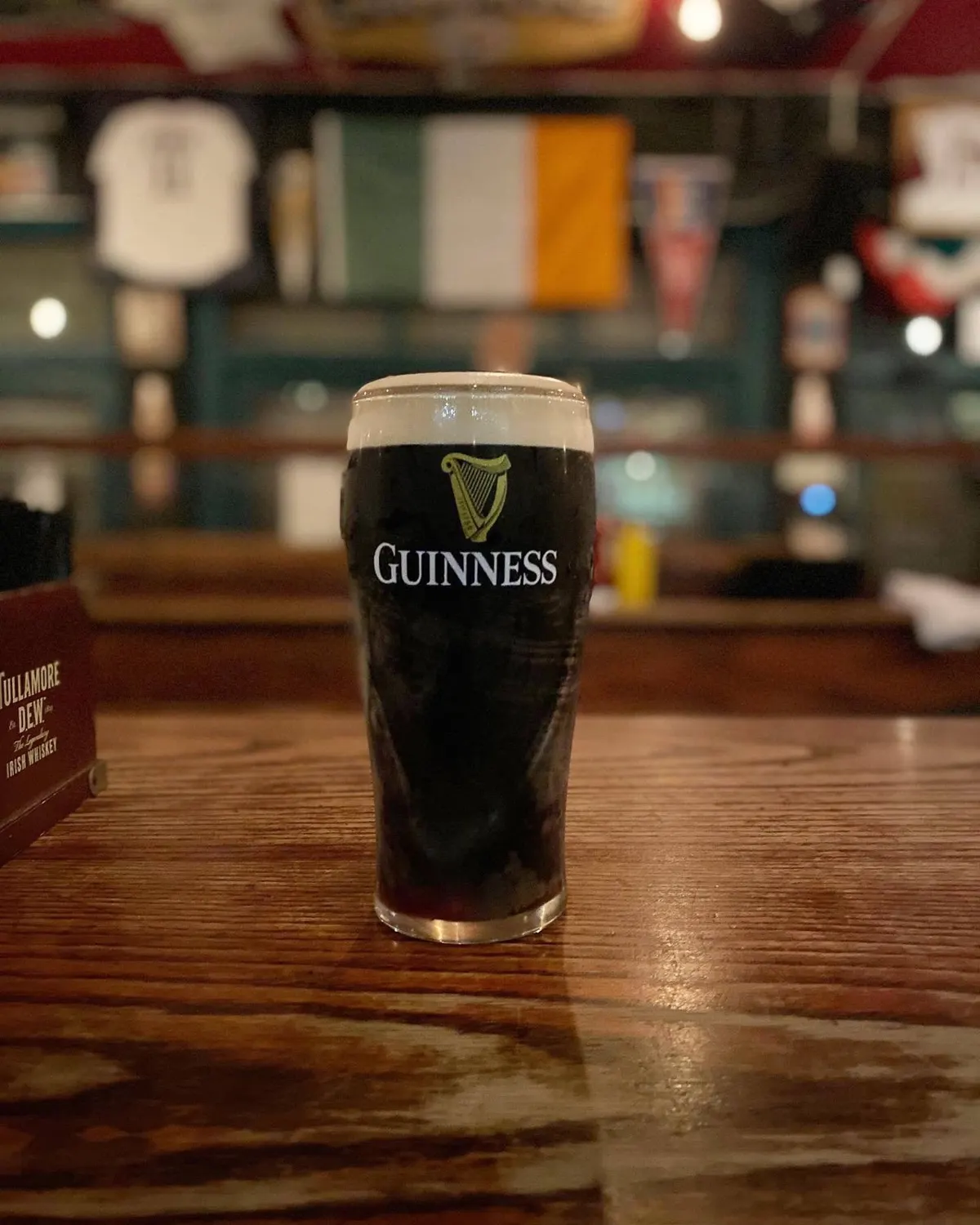
Walk into a bar in New York City at 6:15 on a Tuesday and you can feel the place working before you fully register the room. The first impression is rarely just decor. It is momentum. A bartender is shaking two tins while making eye contact with a regular at the corner seat. Someone in a suit is finishing a lager in ten measured minutes before catching the downtown train. A couple on a first date is pretending not to notice the group next to them arguing about rent, gallery openings, and whether the Knicks are actually fun again. The bar might be narrow, loud, polished, beat-up, expensive, cheap, or all of those things at once. What tends to be consistent is the energy.
That energy is why bar NYC culture stands apart. Plenty of cities have excellent drinking scenes. Many have deeper cocktail traditions in one neighborhood or stronger beer culture in another. New York’s difference is not that it has bars. It is Bar NYC that bars here operate as social infrastructure. They are extensions of tiny apartments, neutral ground for every kind of meeting, places where hospitality has to function under pressure, and stages where the city’s speed becomes visible. The result is a bar culture that feels denser, sharper, less forgiving, and more rewarding than almost anywhere else.
The city’s physical constraints shape everything
The most obvious reason New York bars feel different is simple real estate. Space in the city is scarce and expensive. That sounds like a dry economic point until you have spent an evening in a Manhattan bar where every square foot is doing three jobs. A banquette seats a date at 7:00, a pair of coworkers at 8:30, and a solo guest waiting for a reservation at 10:00. A back room turns from quiet wine bar spillover into standing-room-only birthday party without anyone formally announcing the shift. Even the bar itself is a study in compression. Speed rails, glass racks, ice wells, fruit trays, and register space all have to coexist in a footprint that might feel impossible anywhere else.
That pressure creates a certain efficiency in service. New York bartenders learn quickly how to read a room because they have to. If they misjudge pacing, ticket times drag, tempers rise, and the line at the door starts muttering. A strong bar NYC team works with a kind of practiced triage. Who needs a quick beer and a check. Who is ready for a second round. Who wants to browse a cocktail menu and should be given a minute. Who is drifting toward the edge of impatience and can be won back with simple acknowledgment.
Small apartments matter too. In cities where people have bigger homes, entertaining often happens privately. In New York, bars absorb much of that social function. Birthday drinks, awkward reunions, networking, after-work decompression, breakups, celebration dinners that run late and spill into a nearby tavern, all of it gets outsourced to hospitality spaces. That makes bars less of a special-occasion destination and more of an everyday necessity.
The city teaches bars to serve many publics at once
A lot of bars elsewhere have a dominant audience. There is the neighborhood sports bar, the cocktail den, the after-hours industry place, the student pub. New York certainly has those too, but the most distinctive bars often hold several identities at once. A place can be a lunch stop for office workers, a pre-theater option, a reliable solo-drinking perch, and a midnight refuge for cooks getting off shift. That mix changes the atmosphere.
You feel it most in the transitions. Around 5:00 p.m., the room starts with one cadence, often quick and transactional. By 7:30, conversation deepens and orders stretch beyond first drinks. By 10:00, the bar may split into separate micro-worlds, dates up front, regulars in the back, hospitality workers drifting in after service, tourists trying to decode the local mood. Bars in New York are very good at surviving these transitions without seeming to reset. They bend rather than break.
That flexibility comes from practice, but also from the city’s social composition. New York collects people with uneven schedules, wildly different incomes, and strong opinions about where they will and will not spend time. It is common to see someone ordering a $24 martini next to someone nursing a shot-and-beer combo for less than half that. In weaker bar scenes, that kind of economic spread can make a room feel incoherent. In New York, it often feels normal. The city has trained people to occupy the same space without requiring the same experience.
Speed is part of the culture, but so is stamina
Visitors often notice that New York bartenders can seem brisk. That is sometimes misread as indifference. More often, it is a professional adaptation to volume. In a city where one deep subway delay can collapse a carefully timed evening, people arrive all at once. Pre-show crowds, reservation spillover, weather shifts, and office exits create surges that would break slower systems. Bars that survive develop a high-speed rhythm with little wasted motion.
The best version of that rhythm never feels rushed. It feels clear. You are greeted quickly. Your drink arrives when it should. The bartender remembers whether you are staying or settling up. The table is turned without making anyone feel pushed out before their time. There is an art to doing this well, and New York rewards it. A technically perfect cocktail means less if the room itself feels clogged or directionless.
Stamina matters just as much. Cities with strong bar culture often excel at peaks, Friday nights, holidays, festival weekends. New York’s challenge is sustained demand. A good bar here cannot save its charm for the weekend. It has to function on cold Mondays, humid Thursdays in August, marathon Sundays, random snow nights, and those strange holiday weeks when half the city is gone and the other half seems determined to stay out too late. Consistency becomes a mark of seriousness.
I have always thought you learn more about a New York bar at 4:30 p.m. Or 11:45 p.m. Than you do at 8:00 p.m. Peak. The edge hours reveal whether the place has real identity or is merely coasting on crowd density. At 4:30, you see whether staff members can create warmth before the room fills. At 11:45, you see whether standards hold when everyone is tired.
History is present, even when the room looks brand new
New York’s bar culture gets described through trends, speakeasy revivals, natural wine booms, craft cocktail menus, low-intervention spirits, polished neighborhood taverns. Those trends matter, but the deeper story is continuity. The city has been drinking publicly for generations under unusual conditions, waves of immigration, labor politics, Prohibition, postwar nightlife, fiscal crises, gentrification, smoking bans, and the reshaping of entire neighborhoods. Even bars that look contemporary are usually standing on older habits of public life.
That history helps explain why certain details endure. The no-nonsense lunch drink at an old Midtown spot. The neighborhood Irish bar as unofficial community office. The Jewish deli bar overlap in some corners of the city. The dive that survives because everyone has a story about it, including people who claim they hate it. The hotel bar as temporary living room for people between meetings, apartments, jobs, or versions of themselves. New York did not invent all of these forms, but it stacked them densely and let them influence one another.
The city’s drinking culture also has a long memory for quality. Trends come and go, but New Yorkers tend to punish anything that feels fake, overpriced, or overly theatrical unless the theater itself is the point. A room can be glamorous, but it has to know it is glamorous. A dive can be grimy, but it has to feel honest about it. People here are remarkably good at sniffing out concept without substance.
Neighborhood identity changes the meaning of a drink
One reason it is hard to generalize about bar NYC culture is that the city is not one bar scene. It is dozens of interlocking scenes shaped by neighborhood economics, transit patterns, age demographics, and local memory. A martini in the West Village means something different from a martini in Jackson Heights or Greenpoint or the Upper East Side. Not because the recipe changes dramatically every time, but because the room changes, the reasons people are there change, and the social codes around staying, spending, and behaving change.
That local specificity is one of New York’s great strengths. In many cities, nightlife districts become interchangeable, a few blocks repeating the same formula. New York certainly has corridors where sameness creeps in, especially when landlords chase high-margin trends. Still, the city remains unusually capable of producing bars that belong to their block. A place near a major office cluster will feel different from one tucked under residential buildings with dogs tied briefly outside. A bar by a performance venue absorbs pre-show nerves and post-show analysis. A bar near a train hub becomes a meeting point, a delay shelter, a last-stop drink, and sometimes a place where people decide to change the entire plan for the night.
Regulars protect this neighborhood character more than outsiders realize. In New York, a regular is not just a loyal customer. Regulars are living continuity. They provide a place with memory, and memory matters in a city that replaces storefronts quickly.
The bartenders are often part host, part traffic controller, part anthropologist
In places where service jobs are more static, bartending can settle into routine. In New York, the role tends to stay dynamic because the room keeps changing. Bartenders here often develop a highly attuned sense of reading intention. They know when someone wants conversation and when someone wants to disappear into a corner with a book and a whiskey. They spot the guest trying hard to seem comfortable and step in before awkwardness hardens. They know how to move a second date along, slow down a fast drinker without causing a scene, and bring a fraying group back into balance with timing alone.
That skill set is rarely visible on menus, but it is central to why certain bars develop reputations that outlast design trends. Guests remember how a room made them feel. Did the bartender steer them toward the right thing or the expensive thing. Did they treat a solo woman with respect. Did they give out-of-towners patience without condescension. Did they maintain standards when the bar was four deep.
The city also attracts serious lifers alongside aspiring artists, actors, musicians, and career changers. That blend is powerful. You get professionals who care deeply about technique working next to people with outside creative lives and strong observational skills. Few occupations expose someone to urban behavior as directly as bartending in New York. Over time, the job can turn people into expert readers of human contradiction.
Price, status, and authenticity are always in tension
New York’s bar culture is exceptional, but it is not pure. One of its defining tensions is the constant negotiation between glamour and accessibility. Rents are high, labor is expensive, ingredients cost more, and design is often used to justify premium pricing. That can produce excellent bars with serious overhead and equally serious standards. It can also produce forgettable rooms charging luxury rates for atmosphere alone.
What keeps the culture interesting is that New Yorkers are willing to move. A bar that becomes too self-impressed can lose local trust quickly. A modest place with strong service and fair pours can build a following that keeps it alive for years. This is not a city where expensive automatically means respected. Sometimes it means tolerated for a season.
There is also a social intelligence around value that outsiders can miss. Value in New York is not just cheapness. It is fit. Paying more for a seat with actual elbow room before a difficult week can feel worth it. Spending less in a beloved dive where the music is terrible but the bartender remembers your name can feel equally right. The culture accommodates both, but only if the exchange feels honest.
The city’s diversity is not decorative, it changes the glass
When people talk about New York’s diversity, they often default to food. The same principle applies to drinking culture. The city’s bars draw from immigrant traditions, regional American habits, and global trends in ways that feel lived-in rather than merely curated. You can find cocktail lists shaped by East Asian flavors, Latin American spirits, European aperitif culture, Caribbean drinking traditions, and old New York working-class preferences, sometimes in a single neighborhood radius of ten minutes.
This matters because it keeps the scene from becoming too self-referential. A city can become trapped by its own hype, endlessly remixing the same successful formula. New York escapes that trap, at least in its best moments, because new populations keep reinterpreting what a bar can be. Sometimes that shows up in drinks. Sometimes it shows up in hours, music, snacks, service style, or what counts as conviviality. A room where one table orders orange wine, another drinks Micheladas, and a third sticks to neat bourbon is not unusual. It is a normal cross-section of urban taste.
There is room for ritual, but very little patience for pretense
Every serious drinking city has rituals. In New York, those rituals are often compact and efficient. The martini before dinner. The post-shift beer and shot. The frozen drink at the first sign of punishing summer heat. The dark, wood-paneled bar when the weather turns cold. The rooftop one time each year when a friend insists, and everyone remembers halfway through why they usually avoid rooftops. These rituals anchor people in a city that can otherwise feel slippery.
At the same time, New York has a low tolerance for unnecessary ceremony. If a bartender can make a better drink with less fuss, most locals prefer less fuss. If a menu reads like a graduate seminar, eyes start to glaze over. If a place seems designed mainly for photos, the crowd may arrive, but the affection often does not last.
That anti-pretension streak is one reason neighborhood bars remain so important here. They offer continuity and relief. You do not need to perform sophistication at a place that knows you. You can just order.
A few things visitors often misunderstand
People coming to New York sometimes expect every notable bar to be exclusive, expensive, and difficult. Some are. Many are not. What catches visitors off guard is that the barriers are often practical rather than social. Space is limited. Timing matters. If you arrive with six people and no plan at 8:00 on a Friday, your problem is not that the city is unfriendly. Your problem is that everyone else is also trying to occupy the same finite room.
A few realities make a big difference:
- Early hours are often better than prime time if you care about the actual bar experience.
- Solo guests can do very well in New York, especially at the bar itself.
- The loudest or most hyped place is rarely the most memorable.
- Neighborhood context matters almost as much as the drinks.
- Staff respond well to clarity, patience, and decisiveness.
These are not secret rules. They are simply habits that develop in dense, high-demand rooms.
Why the culture endures despite constant change
New York changes faster than almost anyone who loves it would prefer. Good bars close. Great bartenders move on. Rents rise. Neighborhoods smooth out their rough edges, then realize too late that the rough edges were part of the appeal. And yet the city keeps generating bars that feel alive.
Part of that resilience comes from talent. New York still draws ambitious hospitality workers who want to test themselves at a high level. Part of it comes from customer literacy. The drinking public here, for all its impatience, can be discerning in productive ways. People notice details. They reward competence. They talk. A bar that gets the fundamentals right can still build a following by word of mouth, which remains one of the city’s most reliable currencies.
But the deeper reason is that bars answer a structural need in New York life. This is a city of compressed living, crowded schedules, layered identities, and constant motion. People need places to arrive, pause, regroup, flirt, negotiate, celebrate, hide, and witness one another. Bars do that work.
The best ones do more than pour drinks. They create temporary belonging without demanding too much from the guest. They let a city that can feel punishing become legible for an hour or two. They make room for solitude in public and intimacy in noise. They hold strangers close enough that something might happen, a conversation, an argument, a future plan, a second round that changes the tone of the night.
That is why bar NYC culture feels unlike anywhere else. It is not just about what is in the glass. It is about the conditions around the glass, the pressure, variety, intelligence, and sheer density of human life that make drinking in New York a distinct social act. In a lesser city, a bar can be an accessory. In New York, at its best, it is part of how the place functions.
Hibernia Bar
401 W 50th St
New York, NY 10019
(212) 969-9703
FAQ About Bar NYC
What is there to do in Hell's Kitchen, NYC?
Explore the restaurants and bars along Ninth Avenue, catch a Broadway show nearby, or visit the Intrepid Museum on the Hudson River. Hibernia Bar is at West 50th Street and Ninth Avenue, a convenient stop before or after a show.
What are some bars in New York City that serve good food?
Hibernia Bar in Hell's Kitchen serves wings, burgers, fish and chips, and shepherd's pie. Its kitchen lists a 2 a.m. closing time, which makes it an option for dinner after a show or a game.
How far is Hell's Kitchen from Times Square?
Hell's Kitchen is just west of Times Square. From Broadway and West 45th Street, Hibernia Bar is roughly 0.6 miles away, or about a 12-minute walk depending on crowds.